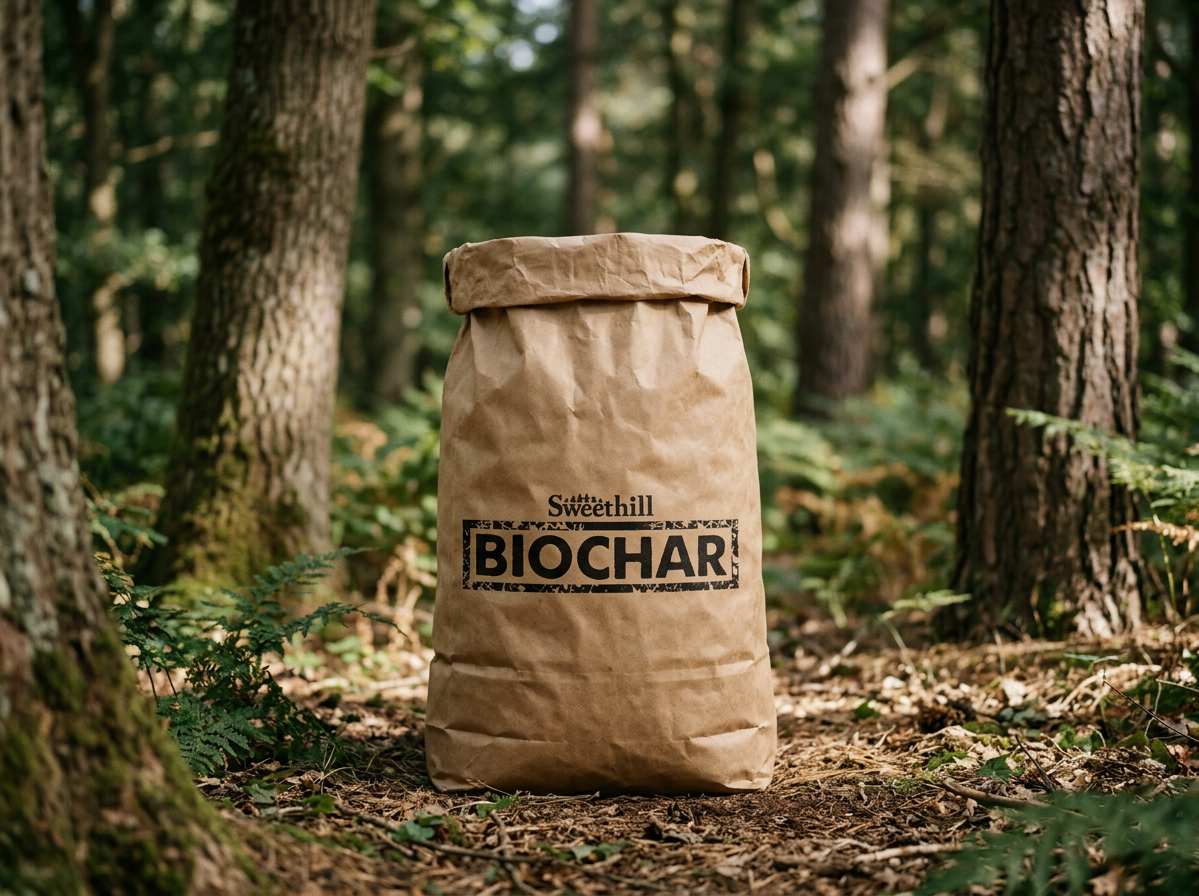
Pure & Sustainable British Biochar, From Our Devon Woods.
Carbon Negative. Soil Positive.
Soil Enhancer For Growing Resilient Plants in Healthier Soil.
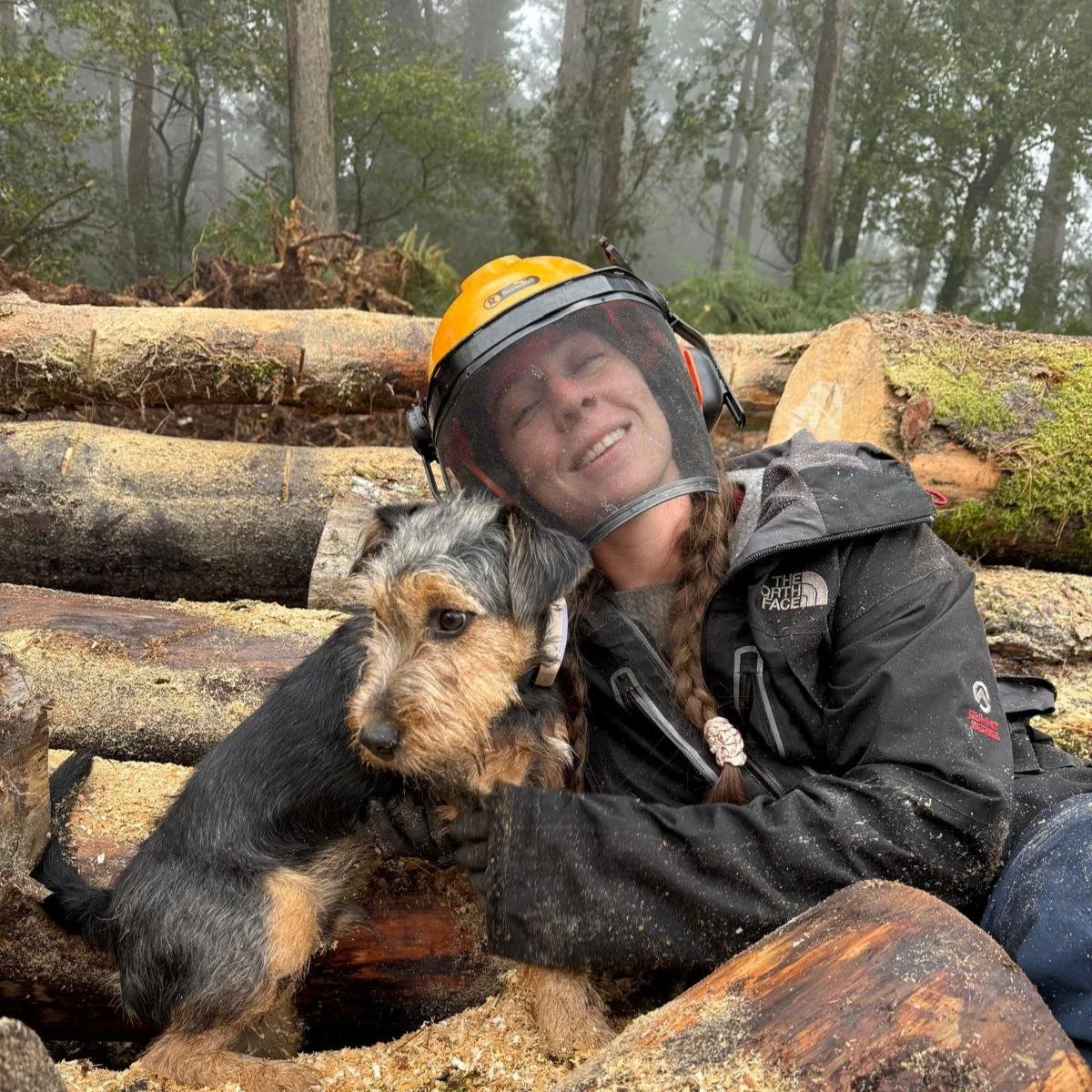
All our biochar comes from our family-run woods in the Devon countryside, provides a pro-environmental use for otherwise unusable (waste) wood and directly supports the regeneration of ancient woodland.
-
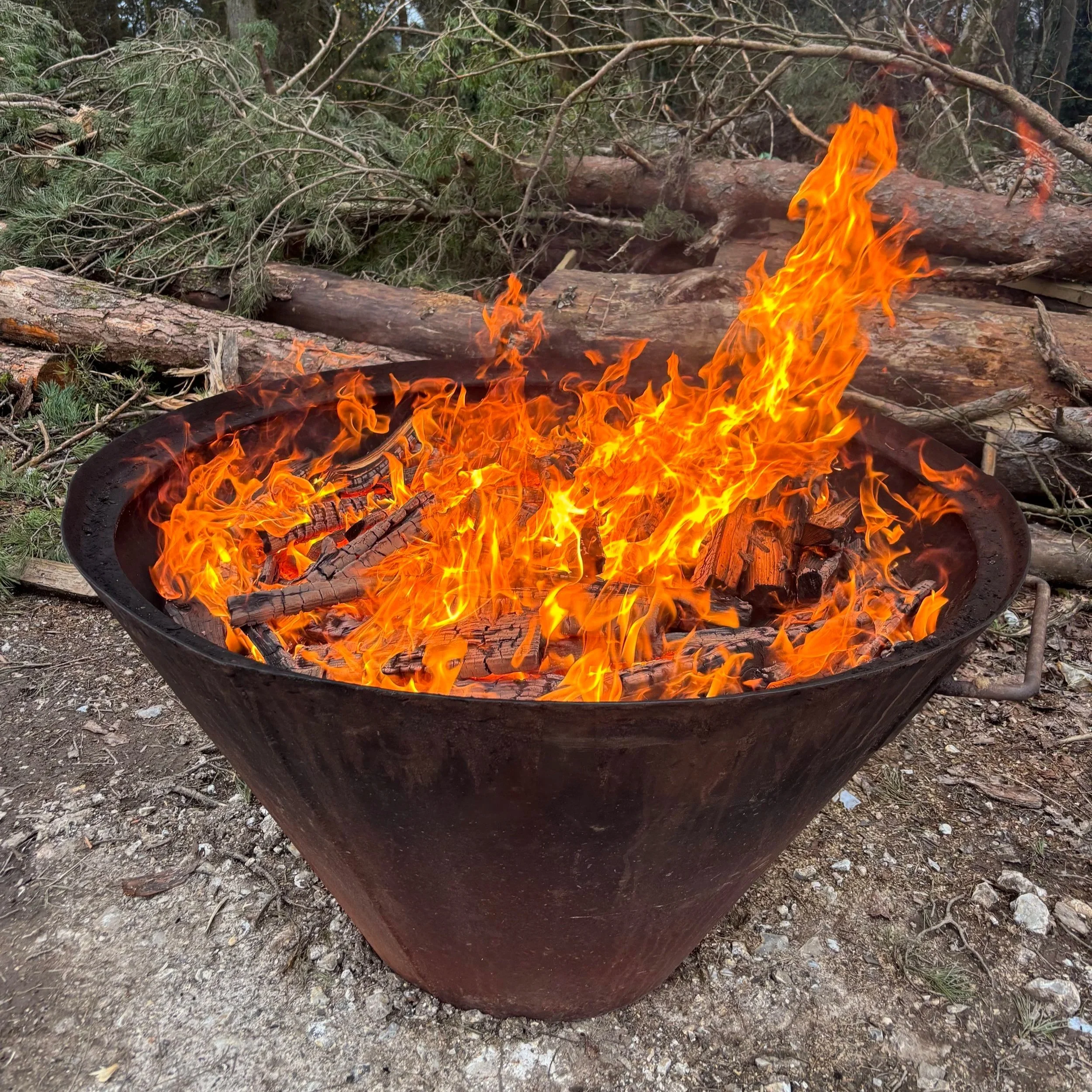
Biochar is used as a soil enhancer. It is a stable carbon product made by pyrolysis — heating wood to high temperatures in a low-oxygen environment. All biochar is charcoal, but our process is cleaner and creates a product without the same impurities as barbeque charcoal, making it safe and beneficial for the soil: hence the name biochar.
Bio = Life
Char = Charcoal
It’s charcoal that supports Life!
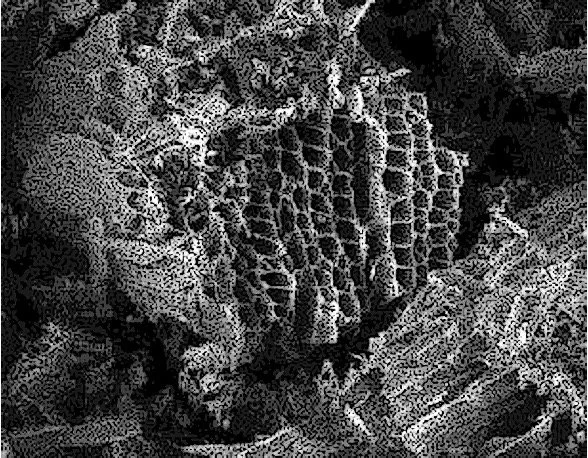
The process of pyrolysis transforms the wood into an incredibly porous structure that can remain in the soil for hundreds, potentially thousands, of years.
Those countless tiny pores give biochar an enormous internal surface area, allowing it to act rather like a sponge for water and nutrients. They also create valuable habitat for beneficial soil microorganisms and fungi, including mycorrhizal fungi — part of the extraordinary underground network connecting plants and helping them access water and nutrients. In this way, biochar doesn't simply add something to your soil; it helps create a better environment for the living soil ecosystem to thrive.
-
When added to soil, biochar can help:
✓ Increase water retention
✓ Support soil biology and the essential mycorrhizal network (the wood-wide-web)
✓ Enhance nutrient availability
✓ Improve soil structure and aeration
✓ Prevent damage from extreme temperatures
✓ Store carbon in the soil for the long term, reducing atmospheric carbon
-
By putting carbon back in the Earth as a soil improver, you sequester it into the land where it can preserve and benefit life for hundreds, if not thousands, of years.
Biochar begins with carbon that trees have drawn from the atmosphere as they grow. Instead of allowing that carbon to return relatively quickly through decomposition or burning, pyrolysis converts a proportion of it into a highly stable form. Put that biochar into the soil and the carbon can remain stored there for generations — while its porous structure helps retain water and nutrients and supports the living world around plant roots.
At Sweethill, the story is unusually traceable. We make our biochar ourselves, in our own Devon woodland, from timber arising from our ancient woodland restoration work. We know where the trees grew, why they were felled and how the biochar was made. Every bag helps us continue restoring the woodland it came from, before carrying that captured carbon into another living landscape.
Carbon captured by trees. Stabilised by us. Stored in your soil. Helping new life grow.
That's what we mean by Carbon Negative. Soil Positive.
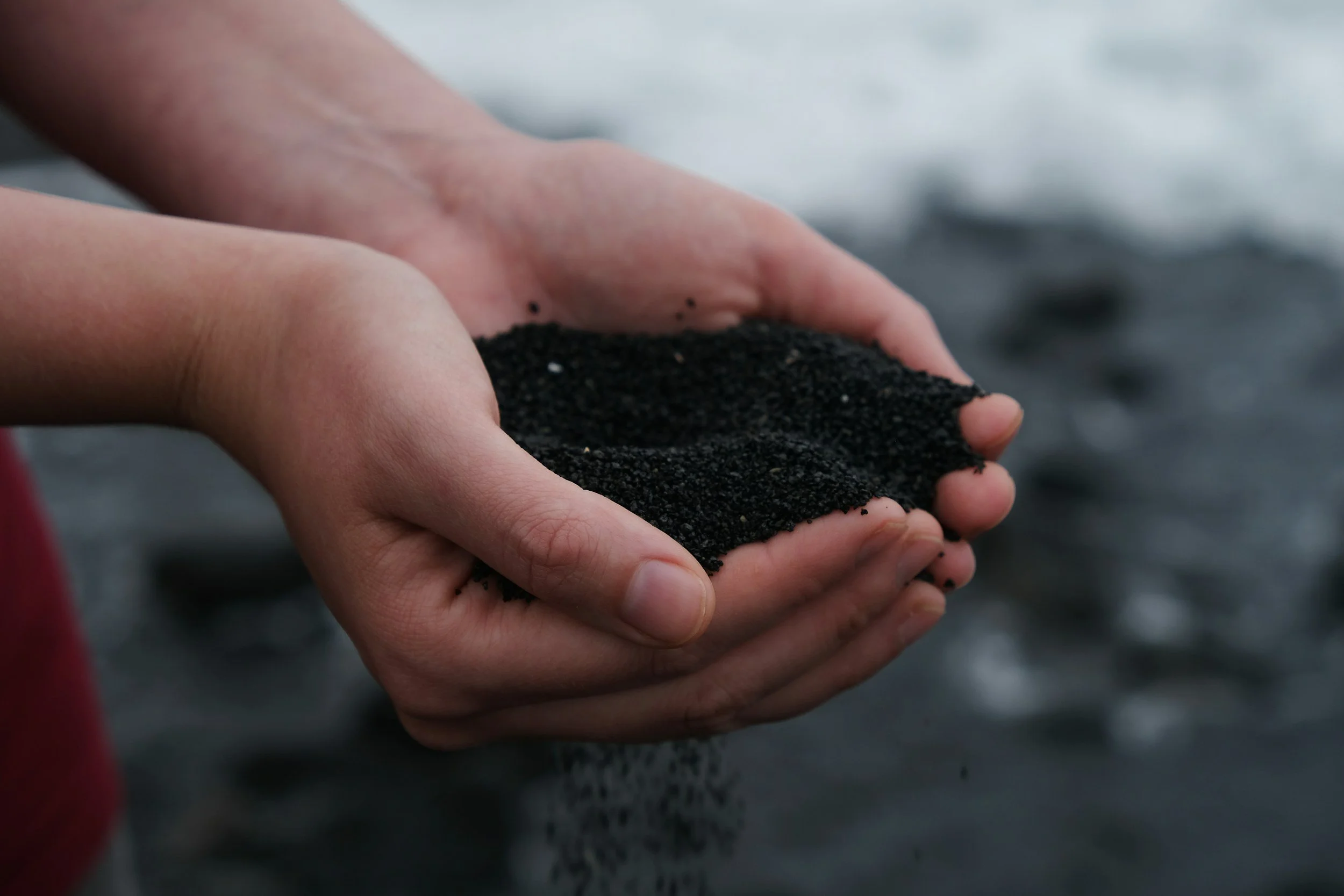
Biochar and Climate Change

-
Carbon Isn't the Enemy — It's the Building Block of Life
Carbon is essential to life. Plants take carbon dioxide (CO₂) from the atmosphere through photosynthesis and use its carbon to build their leaves, stems, roots, flowers and fruit. Every tree, vegetable and blade of grass is, in part, carbon drawn from the air.
So carbon itself isn't something we want to get rid of. The more interesting question is how we can keep carbon moving through healthy, productive natural cycles — and put more of it to work in our soils.
Trees are remarkably good at capturing atmospheric CO₂ and turning its carbon into wood. Usually, when that wood eventually rots or burns, much of the carbon returns to the atmosphere as CO₂. Making biochar allows us to take a different route. Through pyrolysis, some of the carbon stored in wood is transformed into a highly stable form that can then be returned to the soil.
And that's where carbon can do another useful job.
Biochar's porous carbon structure can help soils retain water and nutrients, provide habitat for microorganisms and beneficial fungi, and contribute to healthier, more resilient growing conditions. Better-functioning soils can, in turn, support healthier plants and more abundant vegetation — which continue the natural process of taking CO₂ from the atmosphere as they grow.
So for us, biochar isn't about treating carbon as the enemy. It's about recognising carbon as a valuable natural resource and putting it somewhere it can do good.
Capture carbon through plants. Stabilise some of it as biochar. Return it to the earth. Build healthier soils. Grow healthier plants. Create more resilient, greener landscapes.
That's how putting carbon back into the soil can become part of protecting the planet.
Read More About Biochar and Climate Change
-
Biochar helps create healthier, more resilient soil that can better buffer plants against extreme weather. Its porous structure helps retain water during drought, while supporting soil structure and infiltration when heavy rain follows dry periods. By helping soils hold onto water and nutrients and supporting healthy roots and soil life, biochar can also help plants cope better with stresses such as heat and frost. It won’t prevent extreme weather, but it can help create stronger soils and healthier plants that are better prepared for it.
Read More About Biochar & Extreme Weather Resilience
-
Food resilience starts with healthy soil. By helping soil retain water and nutrients, supporting soil life and creating more resilient growing conditions, biochar can help crops cope with drought, heavy rainfall and increasingly unpredictable weather. Its stable carbon structure remains in the soil for the long term, helping us build fertile, productive soils capable of growing food well into the future.
Healthy soil is alive. Billions of bacteria, fungi and other microorganisms work beneath our feet, breaking down organic matter, cycling nutrients and helping create the conditions plants need to thrive.
Rather than feeding plants directly like a fertiliser, biochar can help create the conditions for a healthier, more active and resilient living soil.
Read More About Biochar and Food Resilience
Read More About Biochar and Soil Microbes
Read More About Biochar and Mycorrhizal Fungi
Have a burning desire to ask a question?
Contact us.