The Science
Growing a Greener Future with Biochar
Biochar is charcoal with a difference: it’s all in the making.
Our Basic Formula: Ancient Wisdom + Sustainable Technology = YES
Pyrolysis = Clean Burning
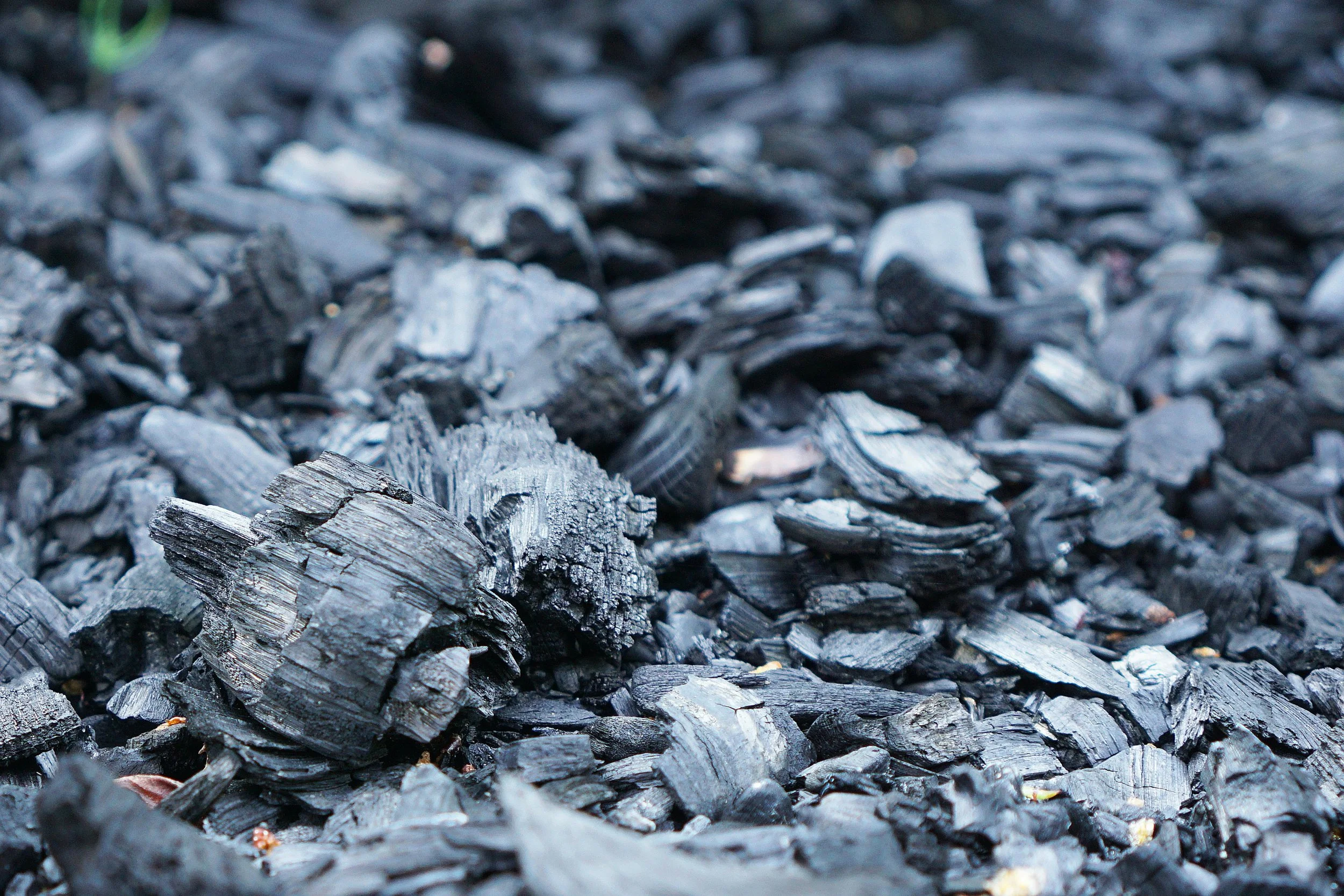
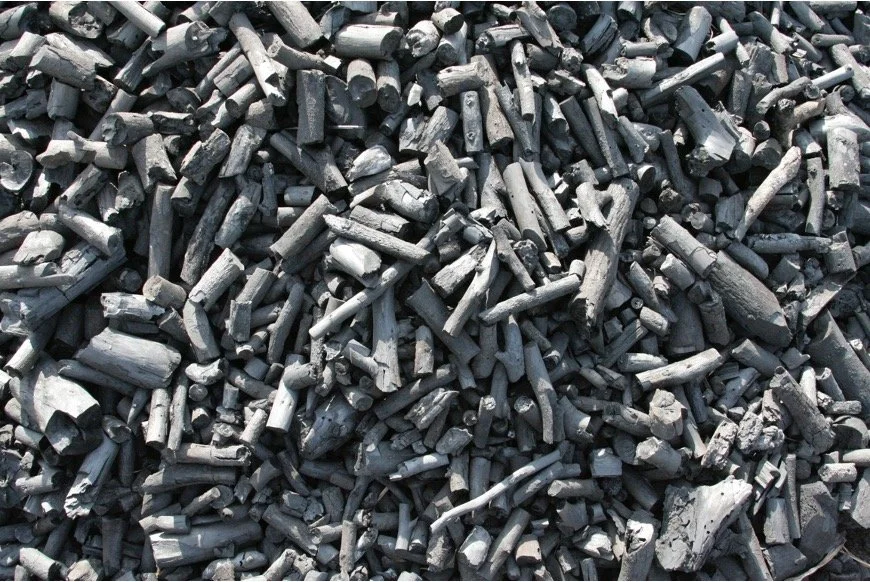
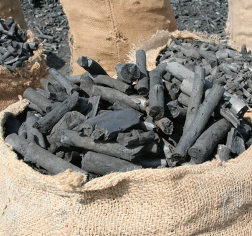
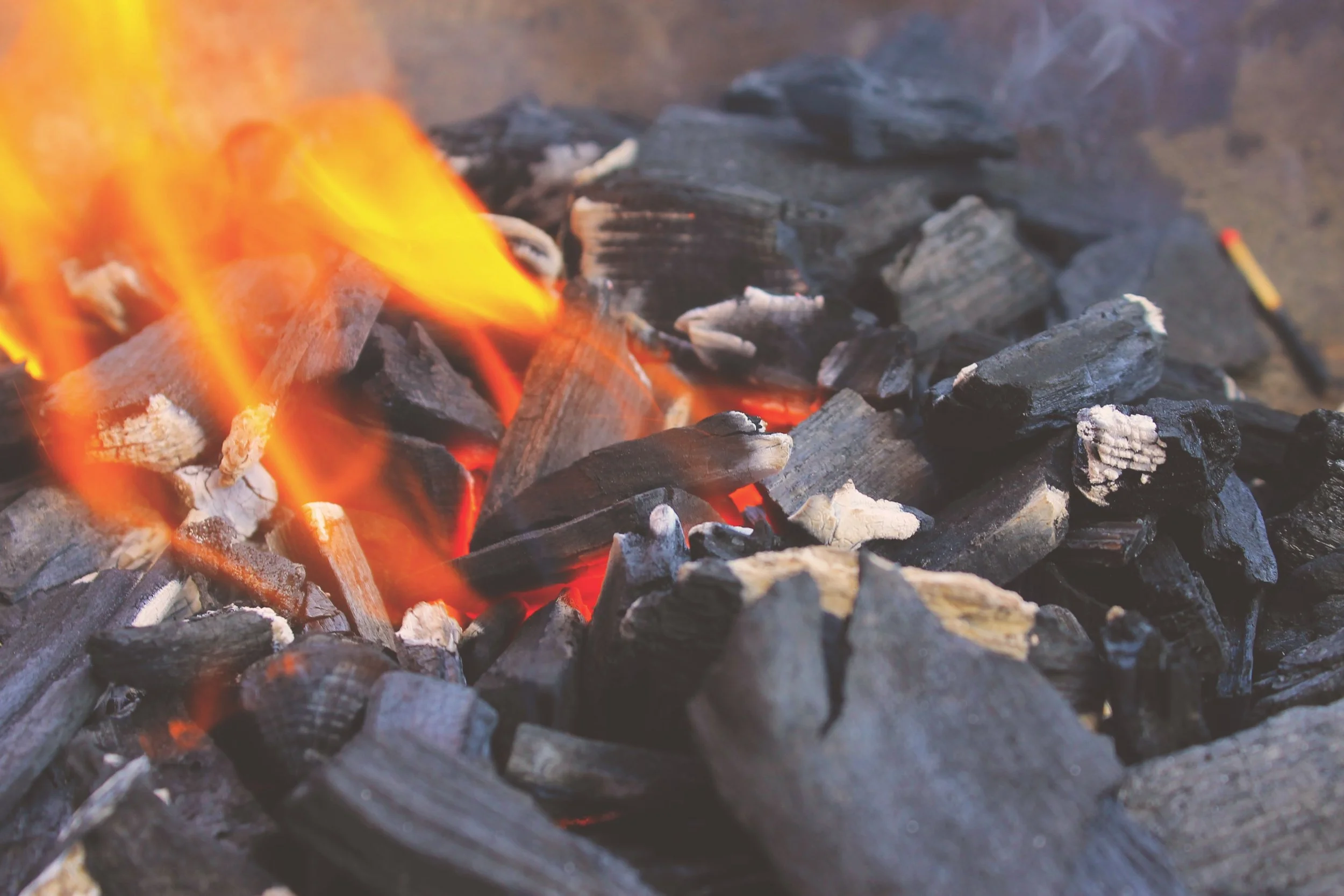
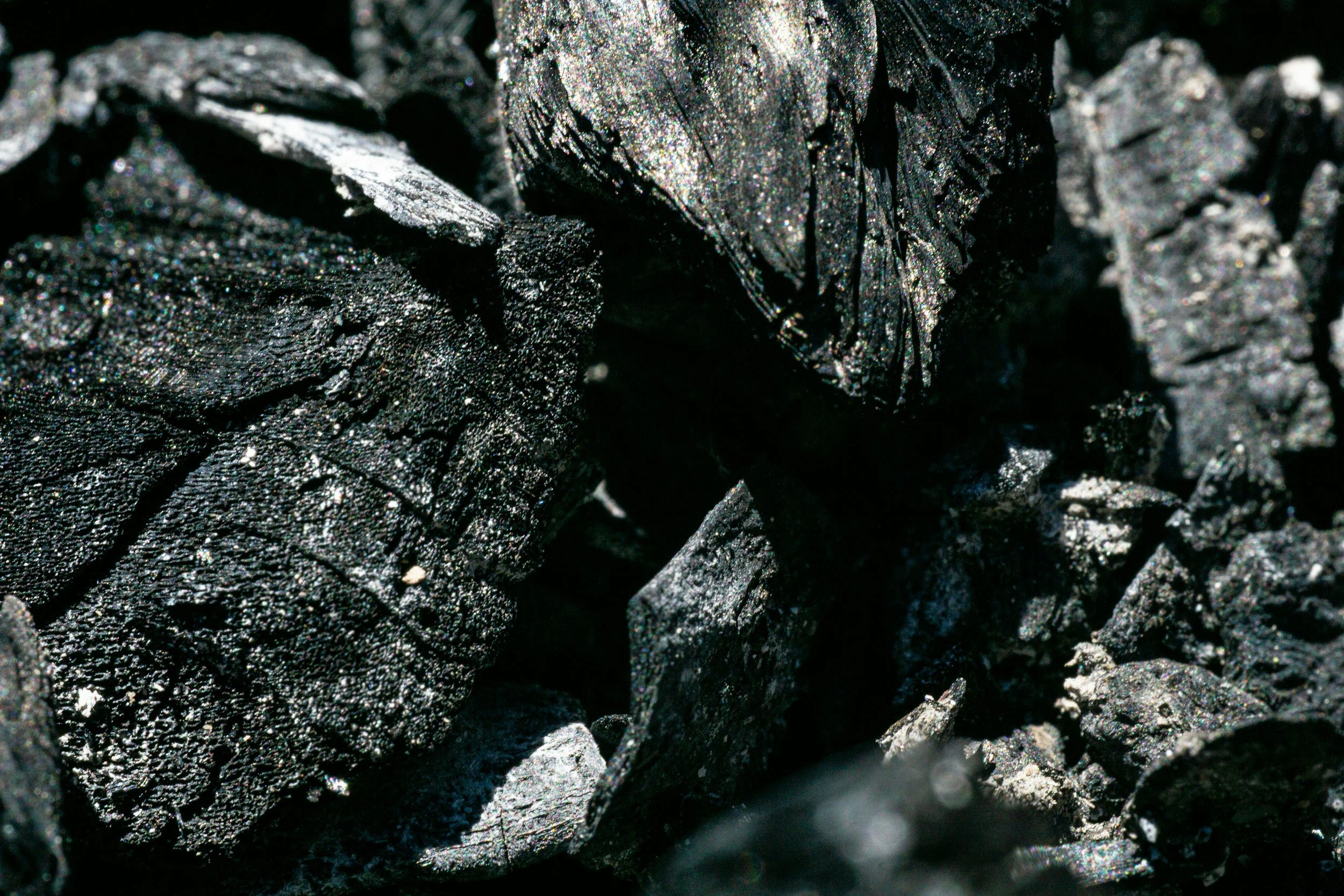
Charcoal for fires, forges and cooking food has been around for a very long time and is made, all over the world, in a way that hasn’t changed much for millennia. Biochar however is made by using kilns that ensure all the volatile material (naturally found in woody biomass) is burnt off, leaving a clean, organically stable, carbon shell that is non-toxic and suitable for application in soil.
Porous Substance = Soil Structure
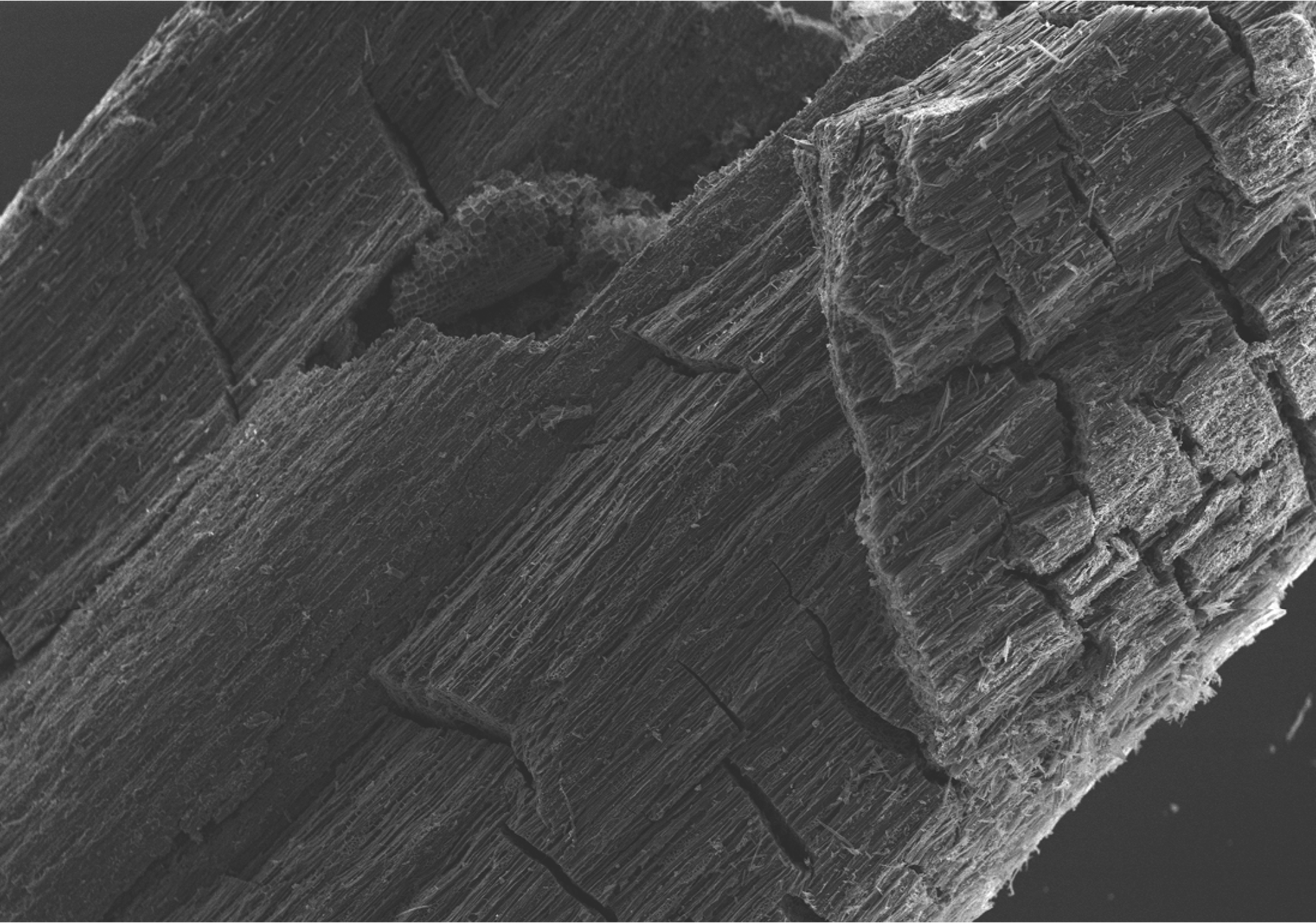
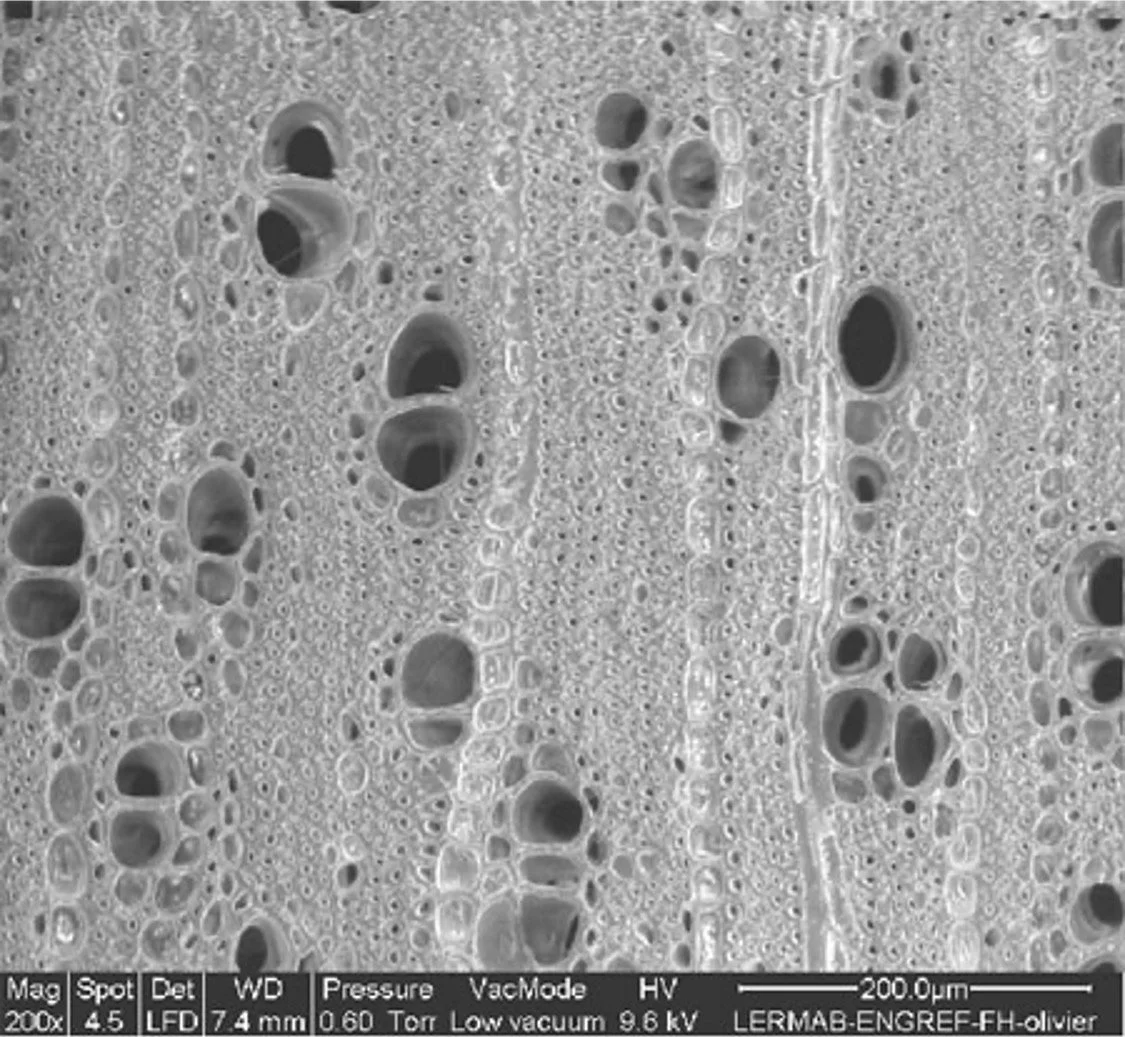
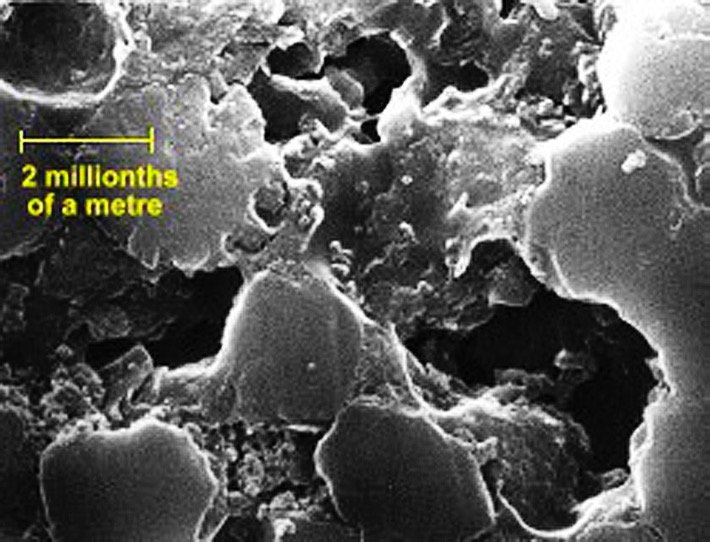
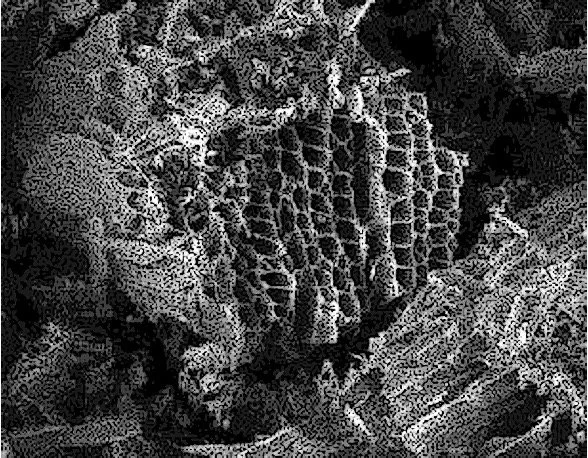
The cellular structure of the original woody biomass/ plant remains after pyrolysis, giving biochar one of its key properties: its water holding capacity. Each speck of biochar in the soil absorbs water and nutrients for roots to access easily. This water is also held for longer, thus reducing leaching and improving the soil texture.
Stable carbon = Stable Soil
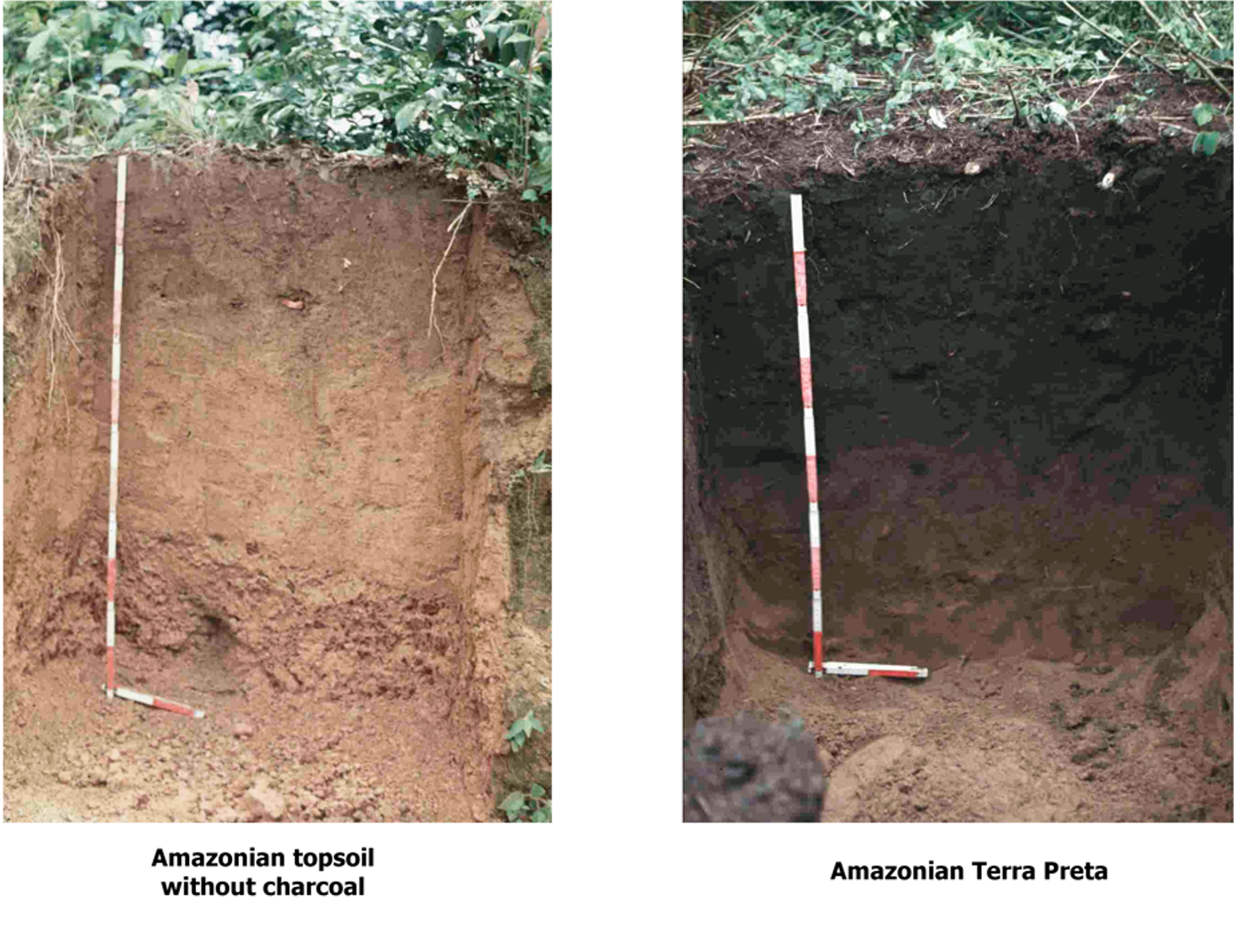
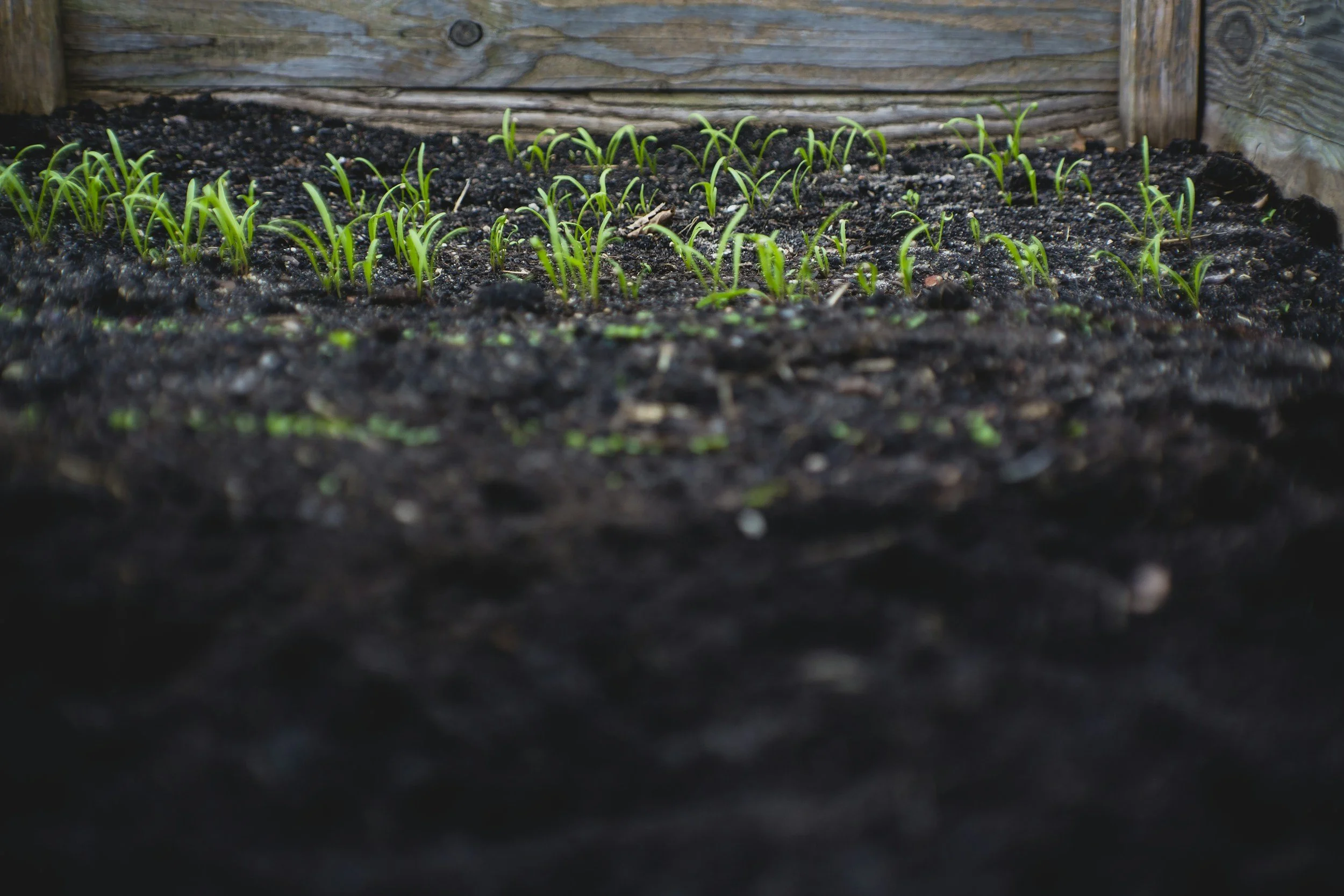
Biochar is much less reactive than other forms of organic carbon and will remain in the soil for hundreds of years, providing a home for mycorrhizal fungi and billions of essential microscopic flora and fauna. In this way, you are making a difference to the soil and hence the planet.
Biochar Soil = Better Future
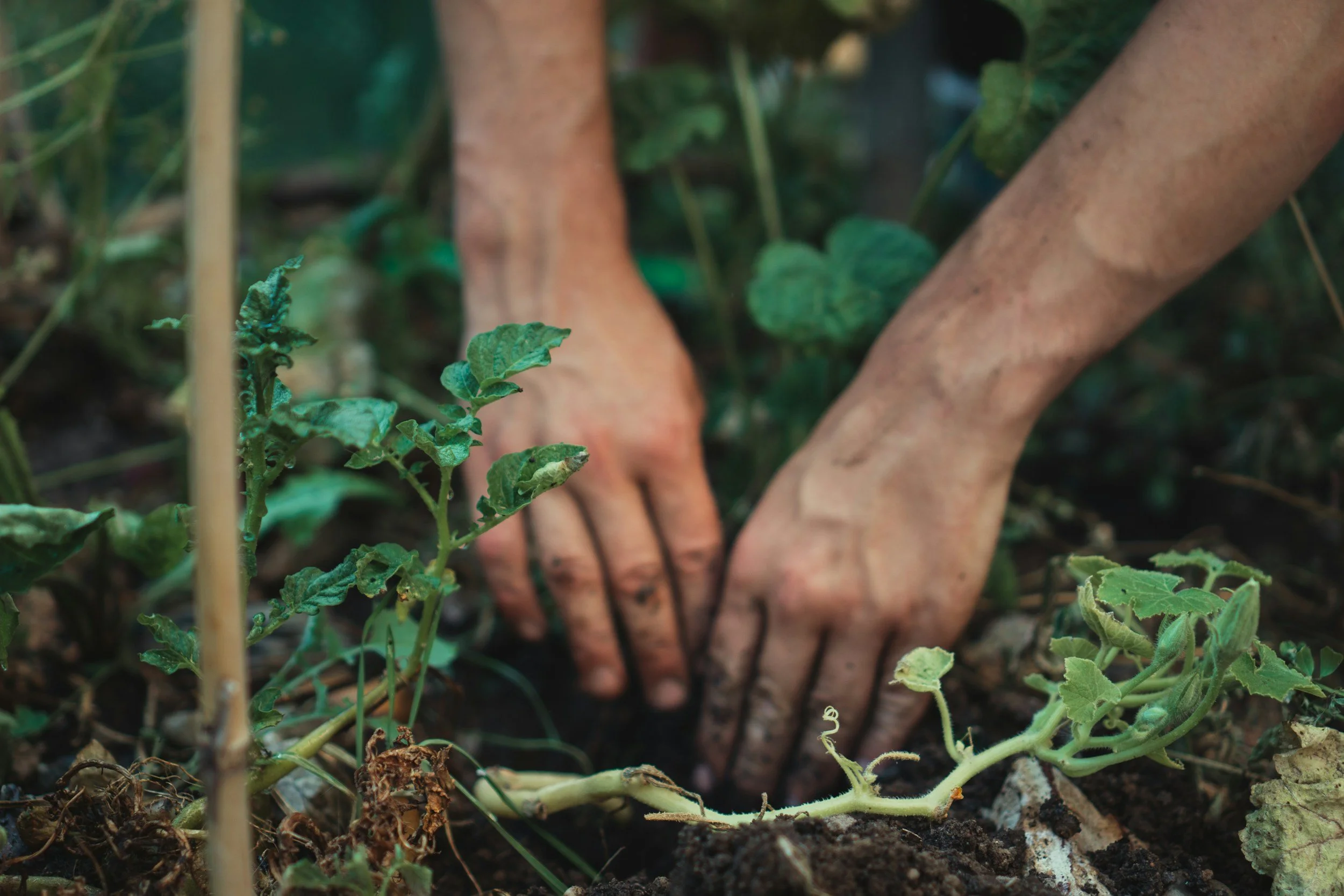
Biochar has another important function in the soil. Because biochar is made from plant material that in turn was made by photosynthesis from sunlight and atmospheric CO₂, if added to the soil it acts as a natural carbon sink, giving us all the aforementioned benefits together with reducing atmospheric carbon. It’s not just sustainable to make biochar and put it into the soil - it’s necessary.
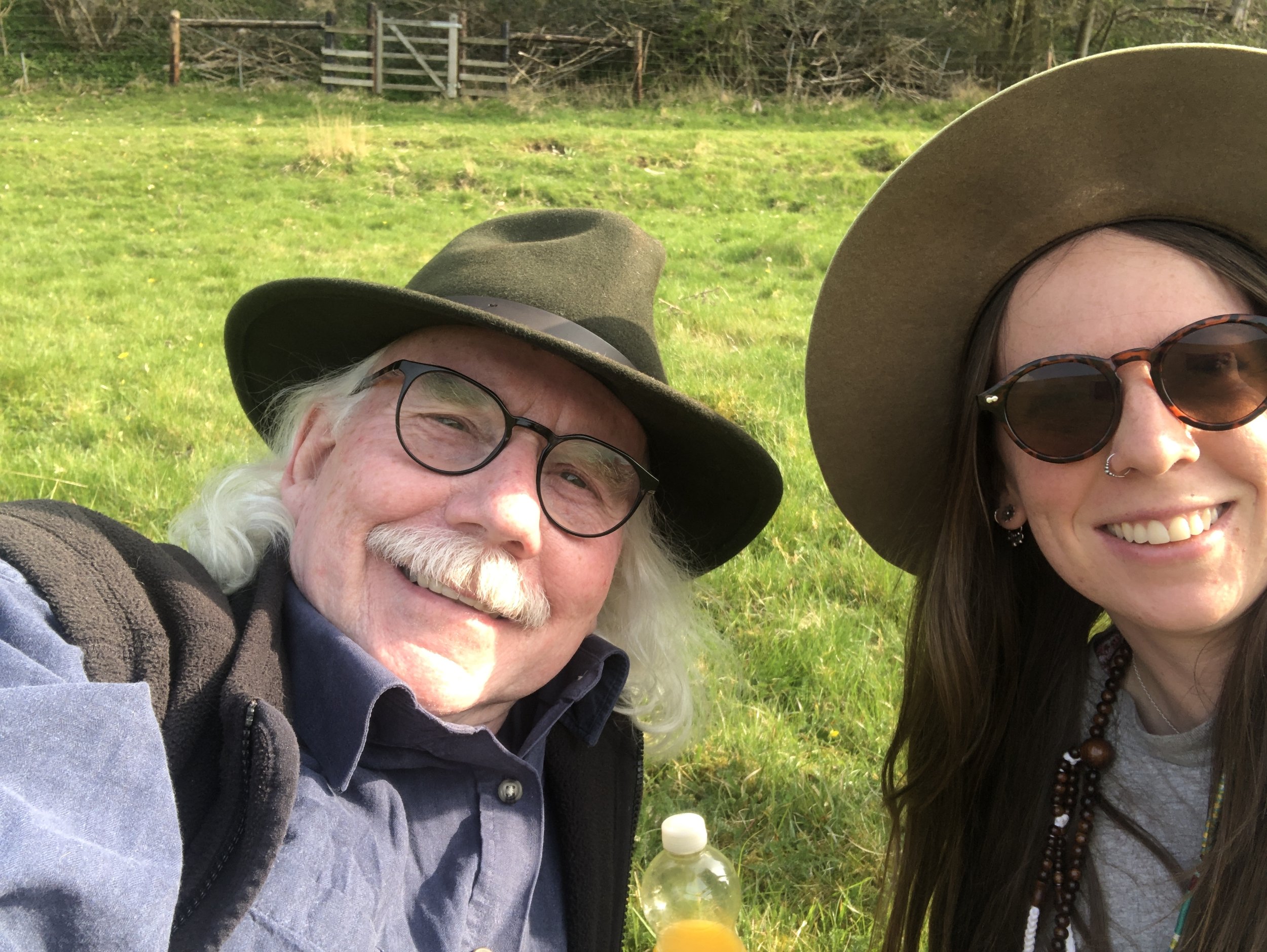
David Friese-Greene, Jessica’s father, is a founding member of the Biochar Initiative, contributor to ‘The Biochar Debate’ (James Bruges, 2009), advisor to The Soil Fertility Project (Nirman Trust) and bread-making extraordinaire.
With a BSc in Biology, and a wealth of field experience working with biochar, David brings a wealth of theoretical and applied knowledge to the team. With David’s help, we are demonstrating how an ancient process can be a truly sustainable and pro-environmental modern practice.
David is dedicated to providing education about biochar, and is on hand to support our buyers in making the most out of their biochar.
Our Expert
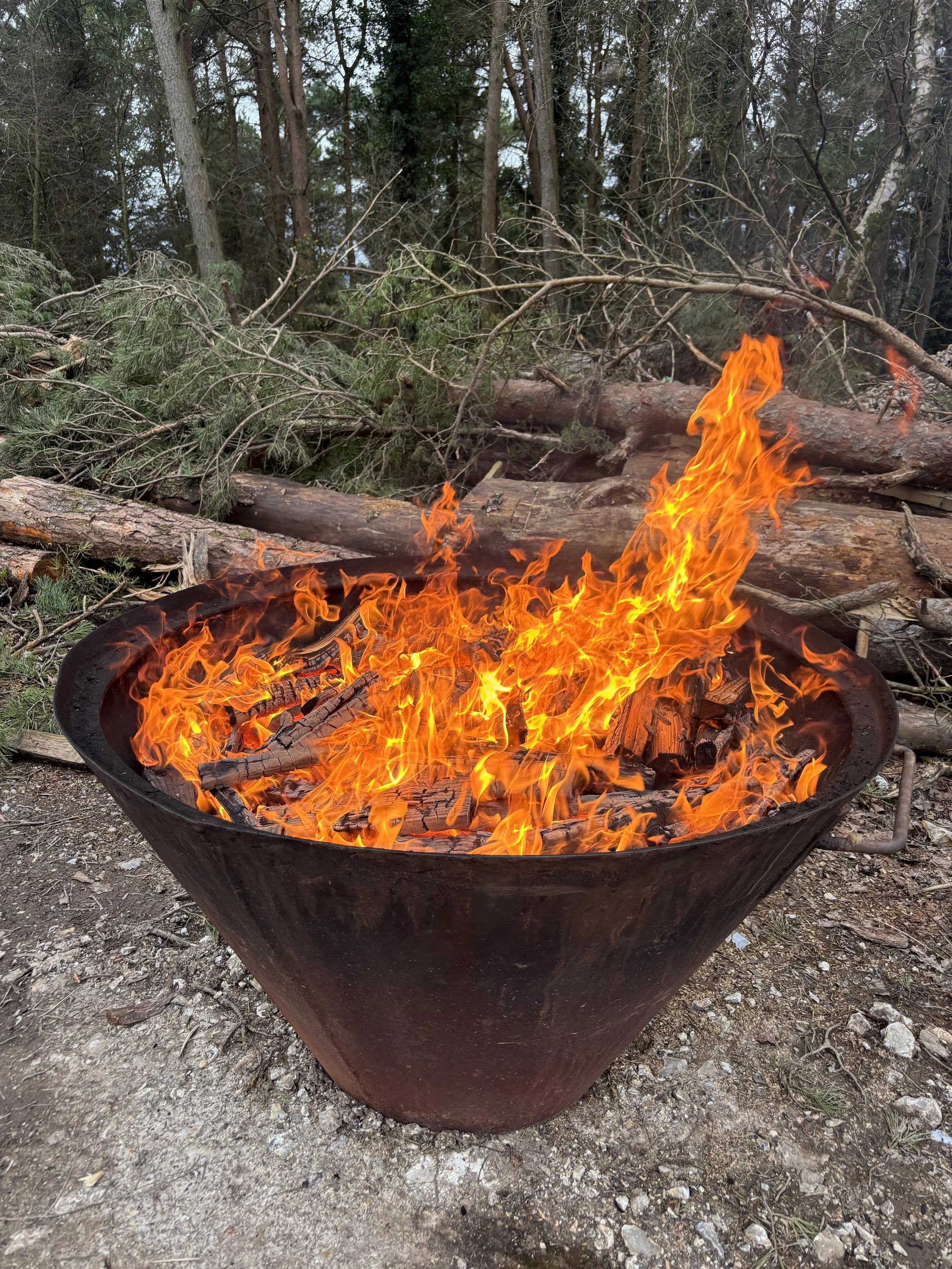
We don’t Burn. We Pyrolyse.
Our German-designed Kon-Tiki kilns are specially built for pyrolysis, the process by which we can make biochar.
Biochar is made in an almost identical method as charcoal (through lighting a fire and adding wood), but the shape of our kilns enable us to drive out the impurities (tar and other volatile compounds) which are found in charcoal. This is to do with the way our kiln’s circulate and limit air flow.
Because we pyrolise our wood, it is not only more environmentally friendly but it leaves us with pure carbon, the ideal soil additive.
For educational resources about biochar, and ideas for biochar experiments, please contact us for a free digital copy of our The Science of Biochar pack.